





Top 10 Must-Have Dishes in a Traditional Iyer Wedding Menu
Introduction
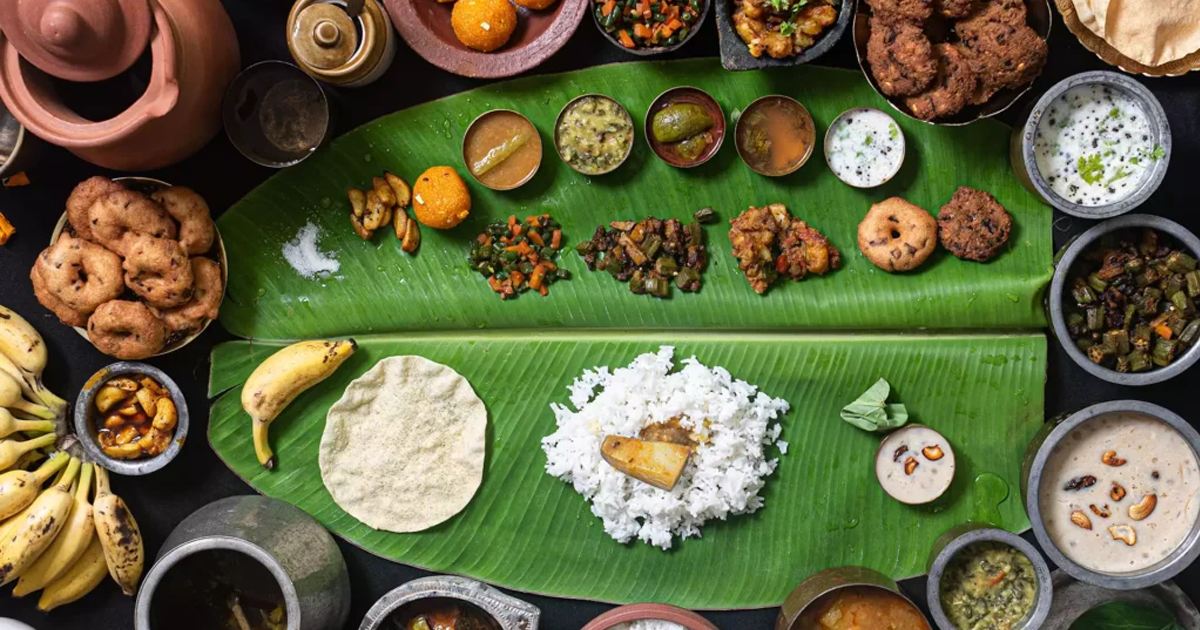
A Tamil Iyer wedding isn’t just a union of two hearts — it’s a celebration of deep-rooted tradition, sacred rituals, and of course, divine food. The banana leaf meal (elai saapadu) served during the wedding is not just a feast but a cultural and spiritual experience. Each dish is carefully chosen for its taste, tradition, and role in balancing the meal.
1. Sakkarai Pongal (Sweet Pongal)
Why it matters: This sacred sweet made with jaggery, rice, and ghee is often served right after important rituals. It symbolizes sweetness and abundance in the new life.
Bonus: Served hot with a drop of ghee — it’s the bride’s and groom’s first meal as a couple in many weddings.
Paruppu with Ghee
Why it matters: A humble yet holy dish — plain cooked moong dal with a spoon of ghee. It’s the first course in the Iyer wedding banana leaf meal and often part of naivedyam too.
Best paired with: Hot rice and appalam.
Sambar (Typically with Arachuvitta Paste)
Why it matters: A wedding sambar is not your daily version. It’s made with freshly ground masala (arachuvitta style), traditional vegetables (like ash gourd), and lots of care.
Adds: Body, flavor, and richness to the entire meal.
Rasam (Jeera-Pepper Style)
Why it matters: Tangy, peppery rasam helps guests digest the big meal and brings a refreshing warmth. Essential for post-sambar rice.
Pro Tip: Use thakkali (tomato) or milagu jeera rasam for a classic touch.
Avial
Why it matters: This Iyengar-adopted dish is now a regular at Iyer weddings too. Mixed vegetables in a thick coconut and curd gravy, symbolizing unity and balance.
Flavor note: Slightly tangy, slightly rich, and very satisfying.
Kootu
Why it matters: A protein-packed dish made with lentils and vegetables like chow-chow or ash gourd. It’s mild, healthy, and balances the spicy dishes on the leaf.
Tradition: Always included in wedding saapadu for completeness.
Poriyal
Why it matters: A dry vegetable stir-fry — cabbage, beans, or carrot — with grated coconut. Adds texture and crunch to the leaf.
Tip: Choose seasonal veggies and cook without onion or garlic.
Paal Payasam
Why it matters: A wedding feast isn’t complete without this slow-cooked rice-milk dessert, flavored with cardamom, saffron, and dry fruits.
Tradition: Offered in homams and served at the end of the meal.
Vadai
Why it matters: Symbol of celebration! Crispy Medu Vadai is often part of the breakfast and lunch — served hot with chutney or alongside sambar.
Must-have for: Upanayanam, wedding muhurtam, and vratham lunches.
Filter Coffee
Why it matters: Though served after the meal, coffee is non-negotiable in any Tamil Brahmin wedding. Served in brass davara-tumbler, it’s the final blessing before guests leave.
Optional: Sukku coffee or panagam for pooja-based functions.
🌿 Bonus Add-Ons (Highly Recommended):
- Thayir Sadam (Curd Rice) – A cooling finish to the meal
- Appalam / Banana Chips – Crunch is a must on the leaf
- Pickle & Thuvayal – Sharp sides to awaken the palate
- Laddu / Mysore Pak – Add a second sweet for a grander wedding feel
Conclusion :
A traditional Iyer wedding meal is not just about filling the stomach — it’s about nourishing the soul. Each dish reflects generations of culinary wisdom, balance of taste, and sacred intention.
If you’re planning a Tamil Brahmin wedding, make sure these 10 dishes (and a few thoughtful extras) are on your menu — and you’ll win every guest’s heart, from elders to kids.
